
Sustainable Practices & Community Impact

Since 1977, the Cheyenne Botanic Gardens has practiced sustainability daily through solar energy, agriculturally sustainable plant production, education, an incredible volunteer force, and creative community-based funding. As a result, you will find wondrous displays of plant life in the conservatory and throughout our grounds. At the Cheyenne Botanic Gardens, you can see firsthand how people have come together to support the importance of human values, community, ecology, and renewable energy.

Close-up of solar panels reflecting sunlight.

Solar Energy

The Cheyenne Botanic Gardens is a regional center for demonstrating renewable solar energy. Solar Electricity

The Cheyenne Botanic Gardens generates approximately 40% to 50% of its electricity from a photovoltaic solar energy system. It begins with an array of solar electric cell modules—the black rectangles located on the south-facing roof of the Gardens.

Solar energy is one of the cleanest energy options available today. It is nearly inexhaustible and depends on two of the most abundant resources on Earth: sunshine and sand.

The Gardens operates two different solar electric systems that utilize photovoltaic solar cells. One system includes a battery backup for the greenhouse conservatory, while the other is a grid intertie system for the Paul Smith Children’s Village. This system uses the electrical grid as a way to store energy through a battery bank composed of industrial-grade lead-acid solar batteries.

These batteries store electricity for use at night or on cloudy days and can provide power for one to three days depending on demand. If battery levels run low, they are automatically recharged from the electrical grid.

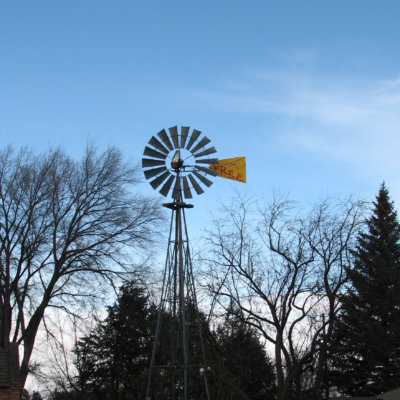
In addition to the grid intertie system at the Children’s Village, the Gardens also operates a solar-powered well adjacent to the farmer’s windmill. Solar-powered wells are increasingly replacing traditional windmills due to their lower maintenance requirements and overall efficiency and cost-effectiveness.

Tall metal windmill with a yellow tail vane surrounded by trees.

Wind Energy

The Cheyenne Botanic Gardens has a windmill and a wind turbine, both located at the Paul Smith Children's Village. The vertical-axis wind turbine generates electricity for the site, while the traditional farmer’s windmill pumps water from a 100-foot well and supplies water to the surrounding features.

Learn more about the Paul Smith Children's Village and its efforts to maintain a sustainable site:

Explore the Children's Village

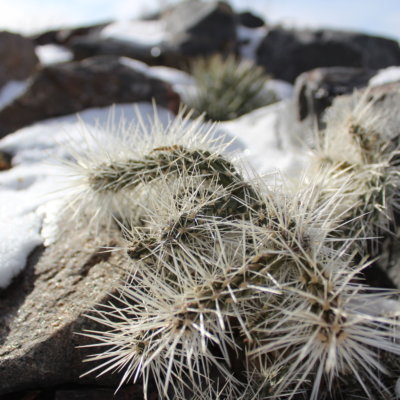
Cactus with white spines growing among rocks and snow.

Water Conservation

Conserving water requires planning and an ongoing commitment to sustainable lifestyles.

We are actively working to convert grass spaces into low-water landscapes and replace overhead irrigation with drip systems to reduce water loss. Our Crevice Garden is an excellent example of these efforts, as well as our Water Wise Right of Way, visible when entering the parking lot.

Instead of using treated, potable water, the grounds of the Cheyenne Botanic Gardens (including the Paul Smith Children’s Village) utilize grey water for irrigation. This reduces the energy required for water treatment and provides a chlorine-free source that plants prefer.

While visiting, please do not drink from sprinklers, as this water is untreated and may pose health risks. Drinking fountains are available inside and around the Gardens.

Hands thinning young seedlings in soil using a small tool

Other Sustainable Measures

We work to recycle as much as possible throughout our greenhouse production and facility operations.

We create our own compost onsite, which is used throughout the grounds and in city annual plantings. Plant matter is composted and reused across our landscapes to support sustainable practices.

If you are interested in home composting, please visit our gardening tips page.

The Cheyenne Botanic Gardens also benefits from the City of Cheyenne’s recycling program, allowing us to recycle paper, plastic, and metal across the facility.